How Smart Contracts Automate Blockchain Transactions

How Smart Contracts Automate Blockchain Transactions

Smart contracts encode terms into autonomous code that runs on a blockchain. When conditions are met, actions execute—transfers, state updates, or enforcement—without human intervention. This reduces intermediaries, speeds settlements, and creates verifiable audit trails. The design relies on deterministic logic,…

How Polkadot Connects Different Blockchain Networks

v

Polkadot unifies disparate blockchains through a layered architecture. The relay chain offers pooled security and shared consensus. Parachains run sovereign logic with independent governance. Cross-chain messaging standardizes communication, enabling token transfers, data exchange, and attestations. Bridges extend reach to external…

How Machine Learning Supports Wildlife Conservation

How Machine Learning Supports Wildlife Conservation

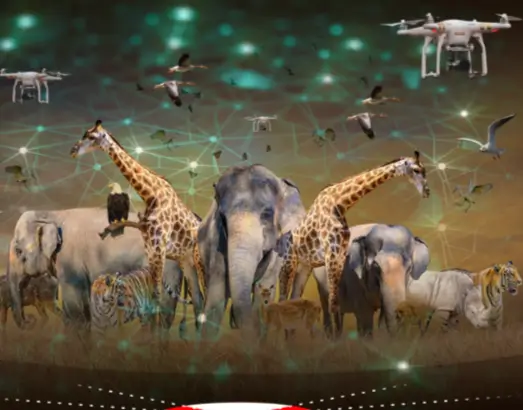
Machine learning quantifies poaching risk, tracks habitat fragmentation, and informs adaptive management under uncertainty. It links sensor data, camera streams, and ecological theory through transparent pipelines and provenance records. Models support population estimates, habitat use, and intervention targeting with measurable…

How Governments Are Approaching Artificial Intelligence Regulation

How Governments Are Approaching Artificial Intelligence Regulation

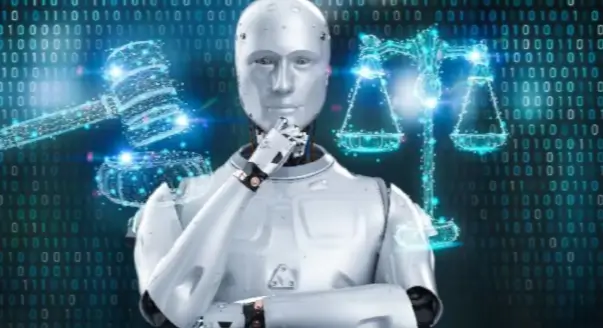
Governments pursue risk-based AI governance aimed at safety, accountability, and innovation. Policymakers target transparency, data provenance, and model capabilities, while enforcing standards through audits and redress. Approaches vary: Europe emphasizes precaution and fundamental rights; the United States prioritizes adaptability for…